A Land of 2,000 Castles
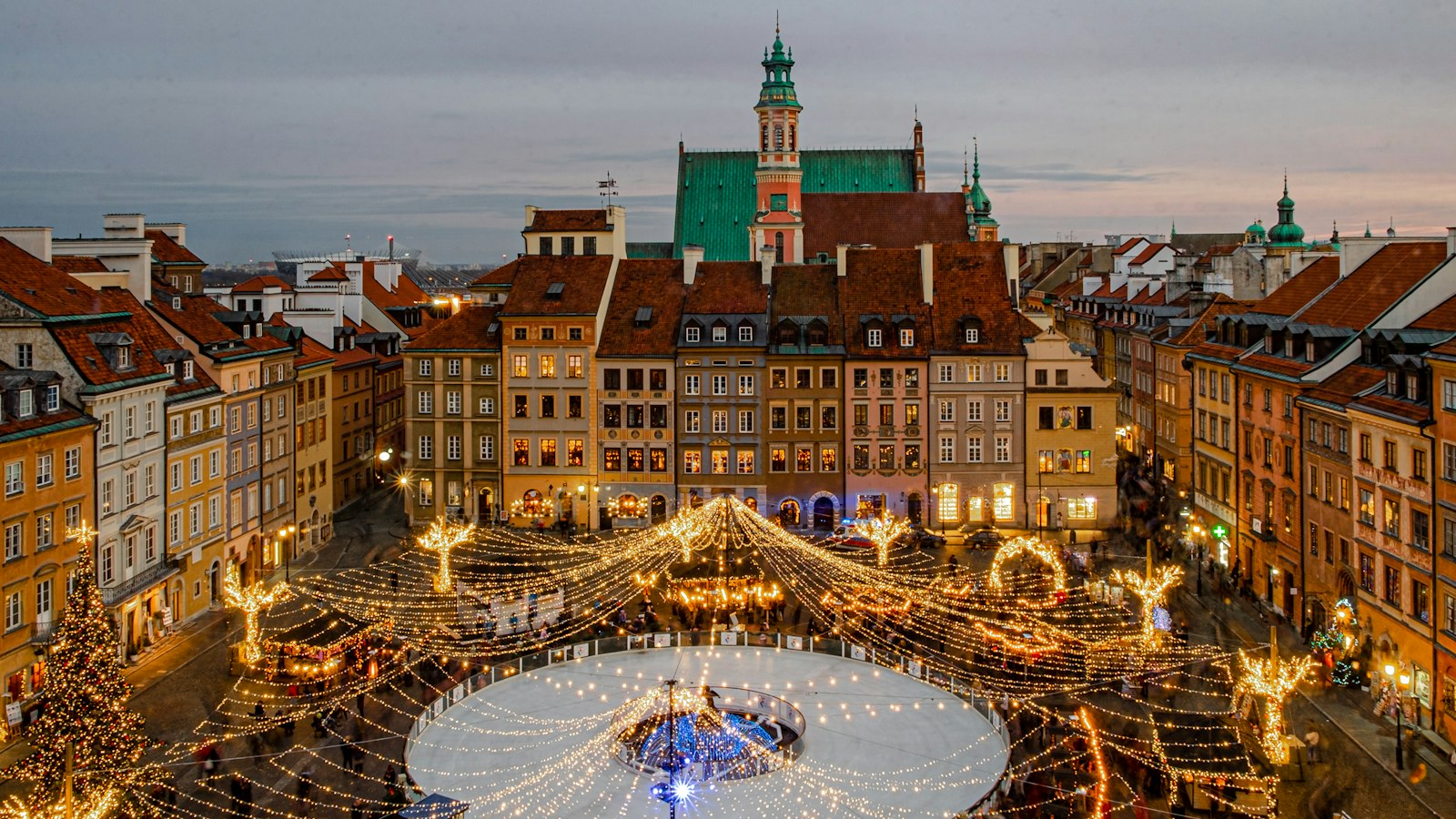
Czechia holds one of the highest concentrations of castles and chateaux anywhere in Europe. More than 2,000 of them are scattered across the rolling hills of Bohemia and Moravia — perched on limestone bluffs, hidden in deep forests, reflected in still ponds, and presiding over quiet village squares. For a country roughly the size of South Carolina, the density is staggering.
The story of Czech castles stretches across nearly a millennium of European history. The earliest stone fortifications date to the 13th century, when Bohemian kings and local nobility raised Gothic strongholds on strategic hilltops to control trade routes and defend borders. As centuries passed, tastes evolved: Renaissance elegance transformed medieval keeps into grand residences with arcaded courtyards and sgraffito facades. The Baroque era brought sweeping palace complexes with formal gardens, chapels, and theatres. By the 19th century, Romantic revivalism saw wealthy families rebuild ancient ruins into fairytale fantasies.
What makes the Czech castle landscape truly special is its variety. Within a single day's drive, you can stand in the shadow of a brooding Gothic fortress, wander the sun-drenched courtyard of a Renaissance chateau, explore a lavish Baroque palace, and climb through the atmospheric remnants of a hilltop ruin. No two are alike, and each tells a different chapter of the country's layered history.
Unlike many countries where castle visits feel like museum tours behind velvet ropes, Czech castles are often embedded in living landscapes — surrounded by hiking trails, vineyards, breweries, and villages. A castle visit here is rarely just a castle visit. It's a day trip through the countryside, a walk through forests, a lunch in a village pub, and a slow return as the light fades over the hills.
Six Castles You Should Not Miss
From the crown jewel fortress of Charles IV to twin-tower ruins rising from volcanic peaks — these are the castles that define the Czech landscape.
Karlstejn Castle
Built in 1348 by Emperor Charles IV to safeguard the Czech crown jewels and holy relics of the Holy Roman Empire. This majestic Gothic fortress sits just 40 minutes from Prague, making it the most popular castle day trip in the country. The steep approach through the village is part of the experience — each turn revealing more of the castle's imposing silhouette above the treeline.

Cesky Krumlov Castle
The second-largest castle complex in Czechia and a UNESCO World Heritage Site. Its painted tower — decorated in Renaissance trompe-l'oeil — rises above a storybook medieval town wrapped in a dramatic bend of the Vltava River. The castle's Baroque theatre, one of the best-preserved in Europe, still has its original stage machinery. The views from the castle gardens at sunset are unforgettable.
Hluboka nad Vltavou
Often called the "Czech Windsor," this dazzling white chateau was remodeled in the 19th century after England's Windsor Castle by the Schwarzenberg family. With 141 rooms, English-style landscaped gardens, and one of the finest art collections in the country, Hluboka is pure aristocratic grandeur. The surrounding park is perfect for a long, unhurried walk after your tour.

Bouzov Castle
A picture-perfect romantic castle in Moravia with turrets, drawbridges, and crenellated walls that look lifted from a storybook. Originally a 14th-century fortress, Bouzov was dramatically rebuilt by the Teutonic Knights in the early 1900s into their vision of the ideal medieval castle. Its interiors are equally theatrical — ornate halls, chapel, and a courtyard that has served as a film set for numerous fairy-tale movies.
Konopiste Castle
The final residence of Archduke Franz Ferdinand, whose assassination in Sarajevo sparked World War I. This grand chateau, set in a sprawling park with a rose garden and deer enclosure, houses one of Europe's largest private arms collections — over 4,600 pieces. The lavish interiors reflect Ferdinand's obsessive collecting habits, from hunting trophies to art. A fascinating and somewhat eerie window into the last days before the old world ended.

Trosky Castle
The unmistakable silhouette of the Bohemian Paradise: twin Gothic towers — Baba (Grandmother) and Panna (Maiden) — perched atop two volcanic basalt necks rising from the forested landscape. One of Czechia's most photographed landmarks and a symbol of the Bohemian Paradise geopark. Climb the towers for sweeping panoramic views across sandstone rock cities, pine forests, and distant mountain ridges. Best combined with a hike through the surrounding trails.
Castle Types & What to Expect
Czech castles come in distinct flavors. Understanding the types helps you choose the right ones for your trip — and mix them for the best experience.
Fairytale Chateaux
White turrets, manicured gardens, ornate interiors. These are the postcard castles — Renaissance and Neo-Gothic residences built to impress. Think Hluboka, Lednice, and Bouzov. Perfect for families, photographers, and anyone who grew up on fairy tales. Guided interior tours showcase period furniture, art collections, and aristocratic life across the centuries.
Gothic Fortresses
Stone walls, massive towers, strategic hilltop positions. These castles were built for defense — to guard trade routes, protect borders, and project power. Karlstejn, Krivoklat, and Kost are prime examples. Expect dramatic approaches, thick walls with arrow slits, and interiors that feel like stepping into medieval history. Many host historical reenactments and night tours.
Baroque Palaces
Grand estates with sweeping formal gardens, ornamental lakes, and interiors dripping with frescoes and gilding. Czech Baroque palaces like Valtice, Kuks, and Jaroměřice were designed as cultural showcases — many had their own theatres, music halls, and extensive libraries. The surrounding parklands are destinations in themselves, ideal for long walks and picnics.
Romantic Ruins
Crumbling walls, open sky, wildflowers growing between the stones. Czech castle ruins are among the most atmospheric places in the country. Trosky, Rabi, Bezděz, and dozens of lesser-known ruins reward hikers with solitude, panoramic views, and a powerful sense of time passing. Many sit within nature reserves, making them perfect anchors for a half-day hike through the countryside.
"You can visit a different Czech castle every weekend for forty years and still not see them all."— A rough calculation that holds up
Planning Your Castle Visit
A few things worth knowing before you head out. Czech castles have their own rhythms, and a little planning goes a long way.
Best Time to Visit
Most castles open from April through October, with full schedules in the peak summer months of June through August. May and September are the sweet spot — pleasant weather, fewer crowds, and golden light for photography. Some major castles like Karlstejn and Cesky Krumlov offer limited winter tours, and the experience of a snow-dusted castle with no crowds is genuinely magical. Autumn is particularly spectacular: the forests surrounding most castles turn brilliant shades of red and gold, creating natural frames for the architecture above.
Opening Hours & Tours
Czech castles typically operate on guided tour schedules, not free-roaming access. Tours run at fixed times (often on the hour), last 45-60 minutes, and are available in Czech with English-language text sheets or audio guides. Some larger castles offer dedicated English-language tours at specific times — check ahead and arrive early. Last tours usually depart one hour before closing. Many castles offer multiple tour routes covering different parts of the complex, so you can spend a full morning exploring a single site.
Getting There
Czechia's excellent public transport network reaches most major castles. Trains and regional buses connect Prague with Karlstejn (40 min), Kutna Hora (1 hr), Konopiste (1 hr), and Cesky Krumlov (2.5 hrs by bus). For more remote castles like Bouzov or Trosky, a combination of train and local bus works, though a car gives you more flexibility to combine multiple castles in one day. RegioJet and Czech Railways (CD) both offer comfortable, affordable connections.
Photography Tips
Castle exteriors are free to photograph anytime. Interior photography varies — some castles allow it (sometimes with a small fee for a photo permit), while others restrict it during guided tours. The best exterior photos come in early morning or late afternoon when the light is warm and the crowds are thin. For iconic shots, scout viewpoints from nearby hills or across rivers. Drone regulations apply near historic monuments, so check local rules before flying.
Combining Castles with Other Experiences
The best castle days in Czechia combine architecture with landscape. Walk from the train station through a village to reach the castle. Have lunch at a local hospoda (pub) nearby. Continue on a marked trail through the forest to the next village or viewpoint. Many castles sit near wine regions, breweries, or nature reserves — building a full day around a castle visit is far more rewarding than treating it as a check-box stop.
Czech Castles at a Glance
Build a Castle-Focused Trip
Whether you want a single day trip from Prague to Karlstejn or a week-long loop through Bohemia's castle country, we'll help you plan the route, timing, and transport. Castles are best experienced slowly — with forests, villages, and a good lunch in between.
Plan Your Trip