Prague Is the Gateway
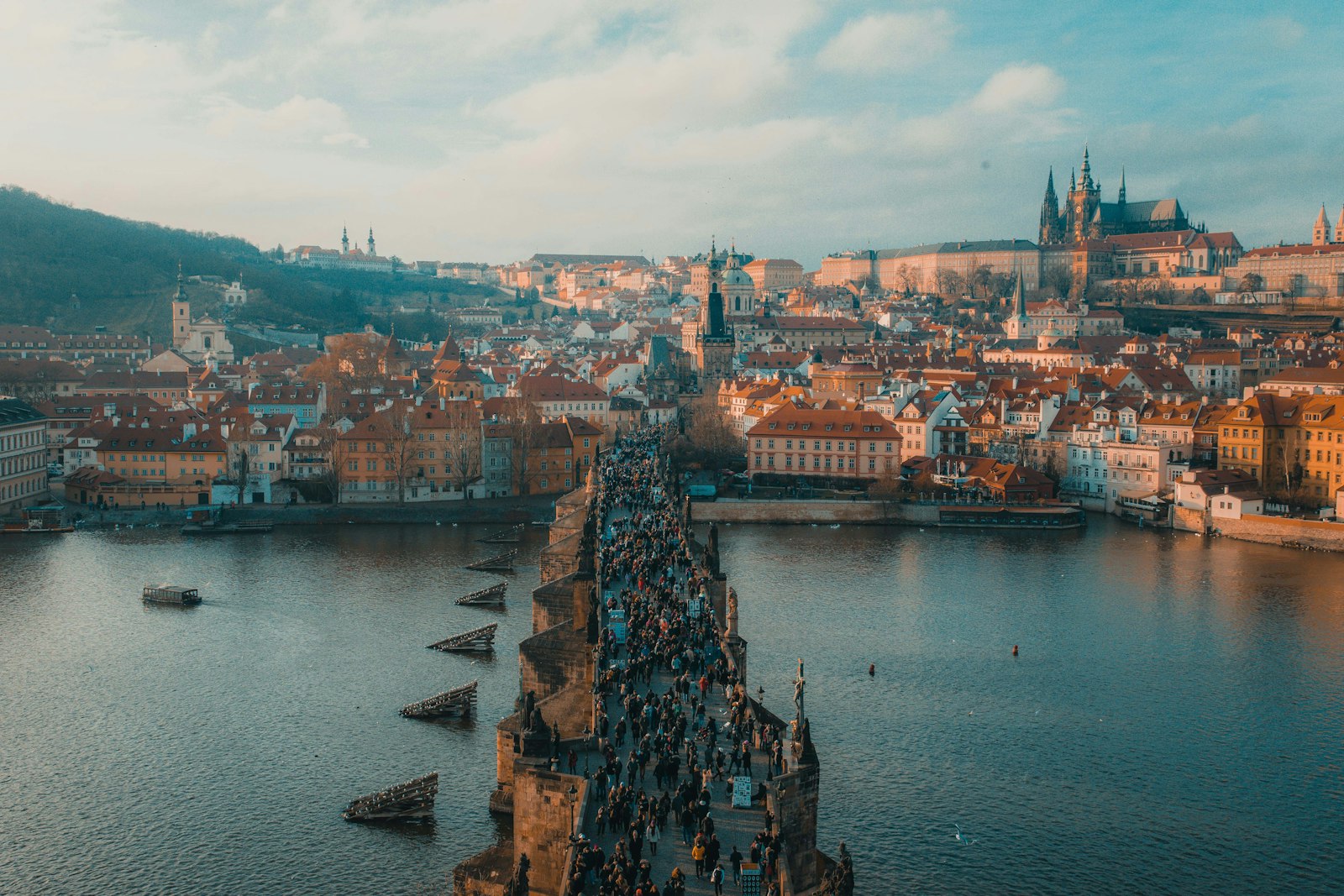
Prague is where nearly every Czechia trip starts — and for good reason. A thousand years of architecture crowd its skyline, from Gothic spires to Baroque domes to Art Nouveau facades. The Vltava River bends through the city like a spine, connecting a castle hill on one side to a labyrinth of medieval streets on the other. It is one of the best-preserved cities in Europe, and it has the beer to prove it.
But here is the thing most visitors miss: Prague is not the destination. It is the beginning. Most travelers spend two to four days here, check the boxes — Old Town Square, Charles Bridge, Prague Castle — and fly home thinking they have seen Czechia. They haven't. Beyond Prague lies a country with over 2,000 castles, UNESCO spa towns, sandstone canyons, wine regions, and folk villages that feel untouched by the modern world.
This guide covers Prague properly — not just the obvious landmarks, but the neighborhoods where locals actually live, the experiences that define the city, the day trips that will change how you think about Czechia, and the practical details that make it all work. Start here. Then go further.
Neighborhoods to Explore
Prague is a city of distinct neighborhoods, each with its own character. The tourist center is only the beginning — the real city lives in the streets just beyond.
Old Town (Stare Mesto)
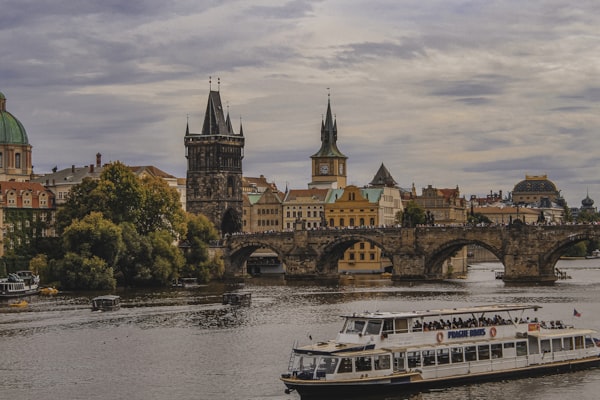
The beating heart of Prague for over a millennium. The Astronomical Clock, the Church of Our Lady before Tyn, and streets that have barely changed since the 14th century. Yes, it is crowded — but it is crowded because it is extraordinary. Visit early in the morning or late at night, when the tour groups vanish and the cobblestones are yours. Duck into the back alleys between Dlouha and the river for craft cocktail bars and independent bookshops that most visitors never find.
Mala Strana (Lesser Town)
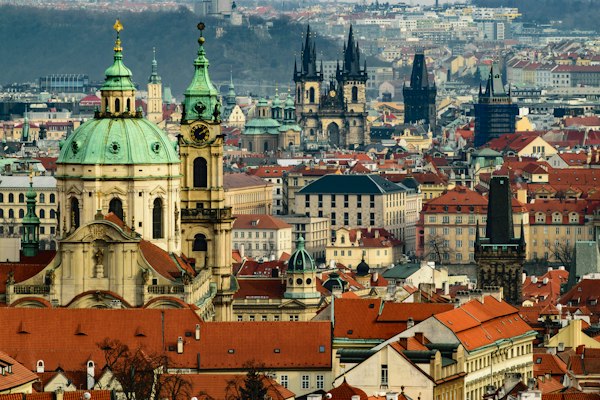
Tucked beneath Prague Castle on the west bank of the Vltava, Mala Strana is baroque beauty at its finest — pastel-colored palaces, hidden gardens, and some of the city's best restaurants. Walk up Nerudova Street to the castle, or find the Vojanovy Sady gardens for a moment of silence in the middle of the city. Evenings here feel like stepping into a film set. This is where Prague slows down and becomes intimate.
Vinohrady
This is where Praguers actually live — and where savvy travelers are starting to stay. Vinohrady is a leafy residential district full of Art Nouveau architecture, independent cafes, wine bars, and Riegrovy Sady park with its legendary beer garden and panoramic city views. It is a ten-minute metro ride from Old Town, but it feels like a different world. If you want to feel like a local rather than a tourist, base yourself here.
Don't Miss in Prague
Beyond the postcard shots, these are the experiences that define a Prague visit — the ones you will remember years later.
Prague Castle
The largest ancient castle complex in the world. St. Vitus Cathedral alone justifies the visit, but the real magic is in Golden Lane, the old royal gardens, and the view from the ramparts at sunset. Go early or late to avoid the worst crowds. The grounds are free to walk — you only pay for interior exhibits.
Charles Bridge at Dawn
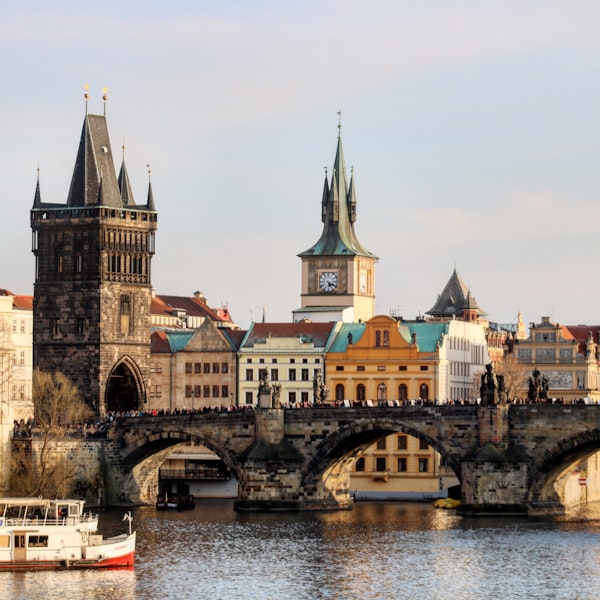
Do not visit Charles Bridge at midday. Set your alarm for sunrise and walk across when the mist rises from the Vltava, the baroque statues loom in silhouette, and you might have the bridge nearly to yourself. It is one of Europe's most magical early-morning experiences — and it is free.
Beer Culture
Czechia invented Pilsner, and Prague is where you feel it. Skip the tourist pubs on Old Town Square and head to U Sudu (a labyrinth of underground cellar bars), Letna Beer Garden (panoramic city views), or Pivovarsky Dum (house-brewed experimental beers). A half-liter of excellent Czech lager costs around 50-60 CZK — roughly two euros.
Vysehrad
Prague's "other castle" sits on a hill south of the center, overlooking the Vltava. Far quieter than Prague Castle, Vysehrad is where Czech legends were born. Walk the ramparts for river views, visit the cemetery where Dvorak and Smetana are buried, and discover the Romanesque rotunda — one of Prague's oldest surviving structures.
Letna Park Views
The best free panorama in Prague. Walk up to Letna Park from the river, grab a beer at the open-air beer garden perched on the cliff edge, and watch the city unfold below you — all the bridges lined up, the castle glowing, the red rooftops stretching to the horizon. Sunset here is unforgettable. This is where Prague locals come to breathe.
Czech Food Beyond Trdelnik
Forget the tourist-trap chimney cakes. Real Czech food is hearty, honest, and deeply satisfying. Try svickova (beef in cream sauce with dumplings), kulajda (creamy mushroom soup), or smoked meat at a traditional hospoda. For modern Czech cuisine, the Prague restaurant scene has exploded — Michelin-recognized chefs are reinventing local ingredients.
"Prague is a poem. But Czechia is the whole book. Start with the opening chapter — then keep reading."— The CzechiaTrip philosophy
Day Trips from Prague
Prague is a perfect base for exploring Czechia. These four day trips are reachable by train or bus and will show you an entirely different side of the country.
Karlstejn Castle
The most accessible castle day trip from Prague. Built by Emperor Charles IV in the 14th century to house the crown jewels, Karlstejn sits dramatically on a limestone cliff above the Berounka Valley. Take the direct train from Praha hlavni nadrazi, walk the 20-minute path up through the village, and you are standing in front of one of Bohemia's most iconic silhouettes. Book the extended tour to see the Chapel of the Holy Cross with its semi-precious stone walls. On the walk back, stop at one of the riverside restaurants for grilled trout and a cold Pilsner.
Kutna Hora
A UNESCO World Heritage town that was once the second-richest city in Bohemia, built on silver mining wealth. Most visitors come for the Sedlec Ossuary — the famous "bone church" decorated with the remains of 40,000 people — but the real star is the Cathedral of St. Barbara, a Gothic masterpiece that rivals any in Europe. Walk the Jesuit College terrace for views over the medieval town, then explore the Italian Court where royal coins were once minted. Direct trains run hourly from Prague.

Cesky Krumlov
Often called the most beautiful small town in Europe — and it is hard to argue. A UNESCO-listed medieval center wraps around a dramatic bend in the Vltava River, overlooked by the second-largest castle in Czechia. It is doable as a long day trip from Prague via RegioJet or FlixBus, but honestly, Cesky Krumlov deserves an overnight. Stay after the day-trippers leave, wander the empty streets at dusk, and eat at a riverside restaurant as the castle lights up above you. If you can only do one trip outside Prague, make it this one.

Karlovy Vary
Czechia's most famous spa town and a UNESCO World Heritage site. For centuries, European aristocracy came here to "take the waters" — drinking from hot mineral springs that bubble up through ornate colonnades. Buy a traditional spa cup, walk the colonnade circuit, and sample the springs (some taste better than others). Beyond the spa culture, Karlovy Vary hosts a world-class film festival each July and produces Becherovka, the herbal liquor that is practically a Czech national symbol. RegioJet buses run direct from Prague and are surprisingly comfortable.
What You Need to Know
The details that make your Prague trip smooth — transport, money, safety, and getting by with the language.
Getting Around
Prague's public transport is excellent and affordable. The metro, trams, and buses all use the same tickets — buy a 24-hour (120 CZK) or 72-hour (330 CZK) pass from machines at metro stations. Trams are the best way to see the city. The historic center is very walkable. For taxis, use the Bolt or Liftago apps — never hail one from a tourist area. The airport is connected by bus 119 to metro line A.
Budget & Money
Czechia uses the Czech koruna (CZK), not the euro. A beer costs 50-70 CZK (about 2 EUR), a restaurant meal 200-350 CZK (8-14 EUR), and a day of sightseeing with transport around 500 CZK (20 EUR). Card payments are widely accepted, but carry some cash for smaller pubs and markets. Never exchange money on the street or at tourist-zone exchange booths — use ATMs from major banks for the best rate.
Safety
Prague is one of the safest capitals in Europe. Violent crime affecting tourists is extremely rare. The main risks are petty pickpocketing in crowded tourist zones (Old Town Square, Charles Bridge, tram 22) and overcharging at tourist-trap restaurants. Check menus for prices before ordering, use common sense with valuables, and you will be fine. Tap water is safe to drink everywhere.
Language Tips
Czech is a Slavic language and can look intimidating, but a few words go a long way. "Dobry den" (good day) and "dekuji" (thank you) will earn you smiles. Most people under 40 speak English well, especially in Prague. In restaurants, "pivo prosim" (beer please) is arguably the most useful Czech phrase you will learn. Czechs appreciate the effort even if your pronunciation is rough.
Plan Your Prague Trip
Prague is the perfect starting point, but the real magic begins when you go beyond. Our trip planner organizes your entire Czechia itinerary by length — whether you have 2 days or 14.